
Good compost starts with the right balance of organic materials, moisture, and airflow. Whether you’re growing vegetables at home or managing a larger garden, better compost can improve soil structure and support healthier plant growth.
What Makes Good Compost?
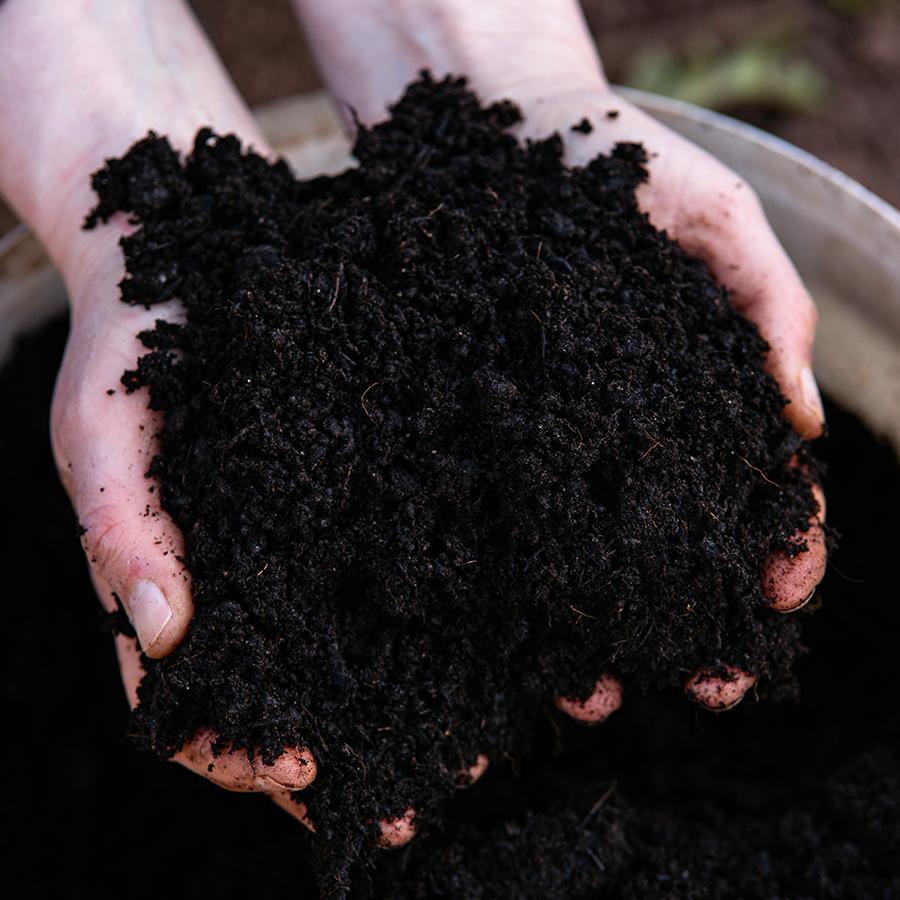
Good compost is made from a balanced mixture of materials that break down naturally over time. The finished compost is typically dark, crumbly, and earthy-smelling.
Two main material groups help create a balanced compost pile:
- Brown materials: Dry leaves, shredded cardboard, small twigs, and other dry plant matter. These provide carbon.
- Green materials: Vegetable scraps, fresh grass clippings, and fresh plant trimmings. These provide nitrogen.
A practical starting point is to mix roughly two to three parts brown materials with one part green materials by volume. Adjust the mix as needed depending on moisture and how quickly the materials break down.
5 Tips for Better Compost
Chop materials into smaller pieces
Smaller pieces generally break down faster because more surface area is exposed to microorganisms.
Keep the pile moist, not soggy
Your compost should feel like a wrung-out sponge. Add water if it is too dry, or mix in dry brown materials if it is too wet.
Allow air to circulate
Turn or mix the pile periodically to introduce oxygen. Poor airflow can lead to unpleasant smells and slower decomposition.
Maintain a balanced mixture
Too many green materials can make compost wet and smelly, while too many dry brown materials can slow decomposition. Add materials gradually and observe how the pile responds.
Give it time to mature
Composting time varies with the materials, temperature, moisture, and how often the pile is turned. Compost is generally ready when it is dark, crumbly, has an earthy smell, and the original materials are mostly unrecognizable.
What Should You Avoid?
Avoid adding meat, fish, dairy products, oils, and pet waste to a typical home compost pile. These can attract pests or create sanitation concerns. Diseased plants and weed seeds may also be unsuitable unless your composting process reliably reaches temperatures that destroy them.
How Compost Helps Your Garden
Mature compost can improve soil structure, help soil retain moisture, and contribute organic matter and nutrients. Mix it into garden beds or apply it as a top dressing according to your plants’ needs.
Remember that compost is a soil amendment, not necessarily a complete fertilizer. The right amount depends on your soil and the plants you grow.
Grow Better with Purata Organik
Healthier gardens begin with better soil. Explore practical ways to use organic materials, improve soil quality, and build more sustainable gardening habits with Purata Organik.
Ready to grow better? Explore our organic solutions or contact us to learn more.
Disclaimer: Composting results vary depending on materials and conditions. Use mature compost and follow appropriate hygiene practices when handling organic waste.